

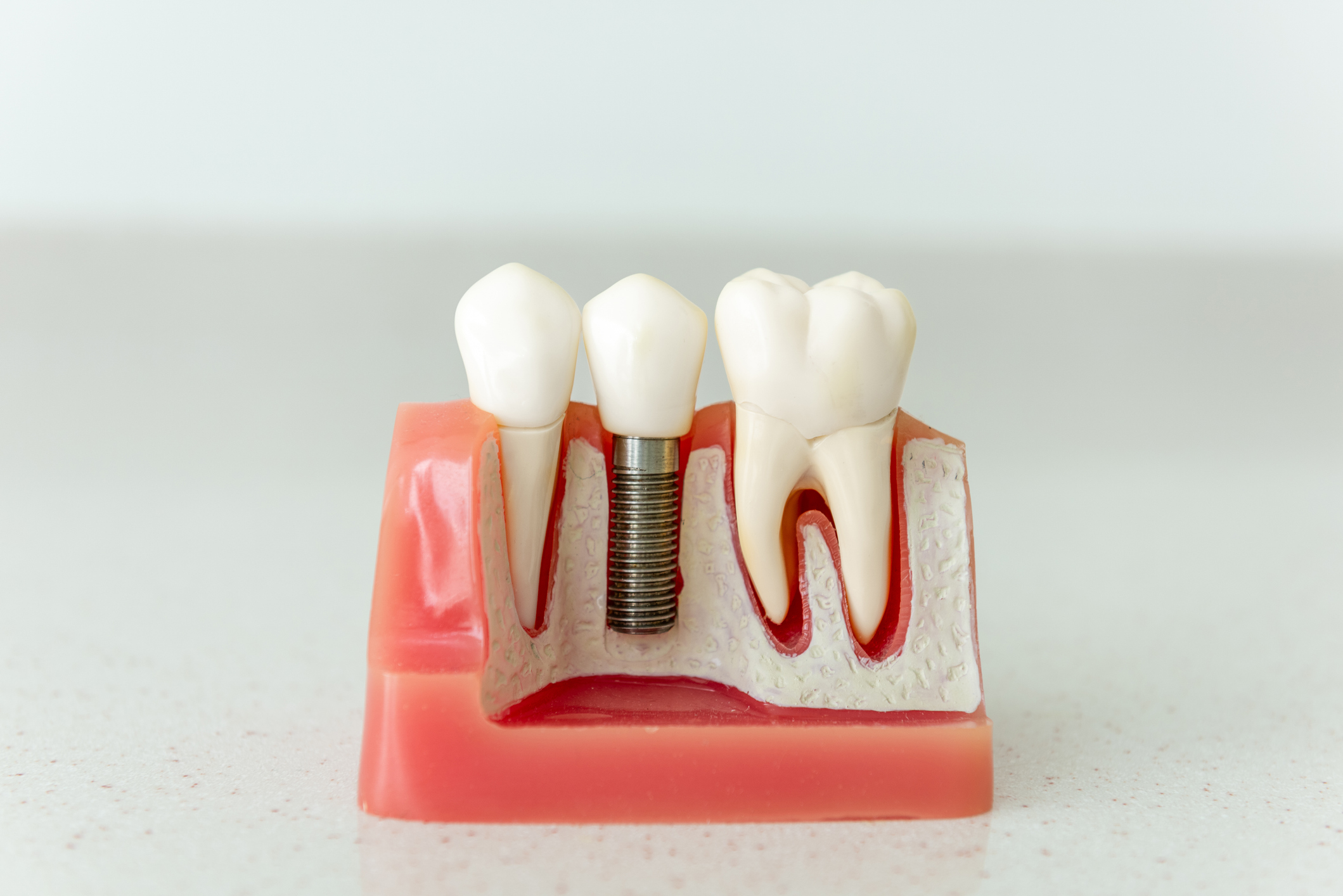
Missing teeth have a reliable solution in dental implants, but most people know little about what the procedure actually involves. That uncertainty is often what stalls the decision.
Dr. Arthur Glosman has spent more than two decades placing implants for patients at his Beverly Hills studio, from single-tooth replacements to full-arch restorations. Here is what to expect at every stage.
What Happens During Dental Implant Surgery
Implant surgery unfolds in stages, with each step dependent on the one before it. Local anesthetic is used to numb the treatment area; sedation is also available for patients with dental anxiety or those undergoing more involved treatment.
There are two main implant types: endosteal and subperiosteal. Endosteal is by far the more common, and the steps below describe that process:
- Accessing the jawbone by peeling back gum tissue or making a small circular incision
- Marking the implant site with a bur to guide the pilot drill
- Drilling a pilot hole using a precision jig to control placement
- Checking alignment with a pin to confirm the angle and centering
- Expanding the hole incrementally to match the implant post diameter
- Threading the bone and inserting the titanium implant
Once placed, a healing cap is set on top and the gums are sutured closed around it. Sutures generally come out within one to two weeks.
The Osseointegration Period
After surgery, the jawbone slowly fuses with the titanium post in a process called osseointegration. The Mayo Clinic notes this can take several months: roughly six for the upper jaw, four for the lower. The patient feels nothing; the body does the work.
If the jawbone lacks the density needed to support an implant, a bone graft may be performed beforehand or at the time of placement.
Placing the Abutment and Crown
When osseointegration is complete, the healing cap comes off and an abutment is attached to the post. This small connector sits just above the gumline and holds the final crown in place.
The crown is fabricated from zirconium or porcelain and custom-matched to the shape and shade of the surrounding teeth. The result looks and functions like a natural tooth. For patients replacing multiple teeth or a full arch, All-on-4 and All-on-6 options follow the same core process.
Caring for Your Implants
Dental implants need no special maintenance. Brushing, flossing, and routine professional cleanings are all it takes to keep the site and surrounding gums healthy. Avoid hard foods like ice or hard candy, which can crack the crown. With consistent care, implants can last for decades.
Ready for a Smile That's Built to Last?
Dr. Glosman has personally designed and placed more than 30,000 restorations over the course of his career. Whether the goal is a single implant or a complete smile transformation, his Beverly Hills studio delivers results that hold up in an environment his patients consistently describe as spa-like from arrival to checkout. Book a private consultation today to find out if dental implants are right for you.
