

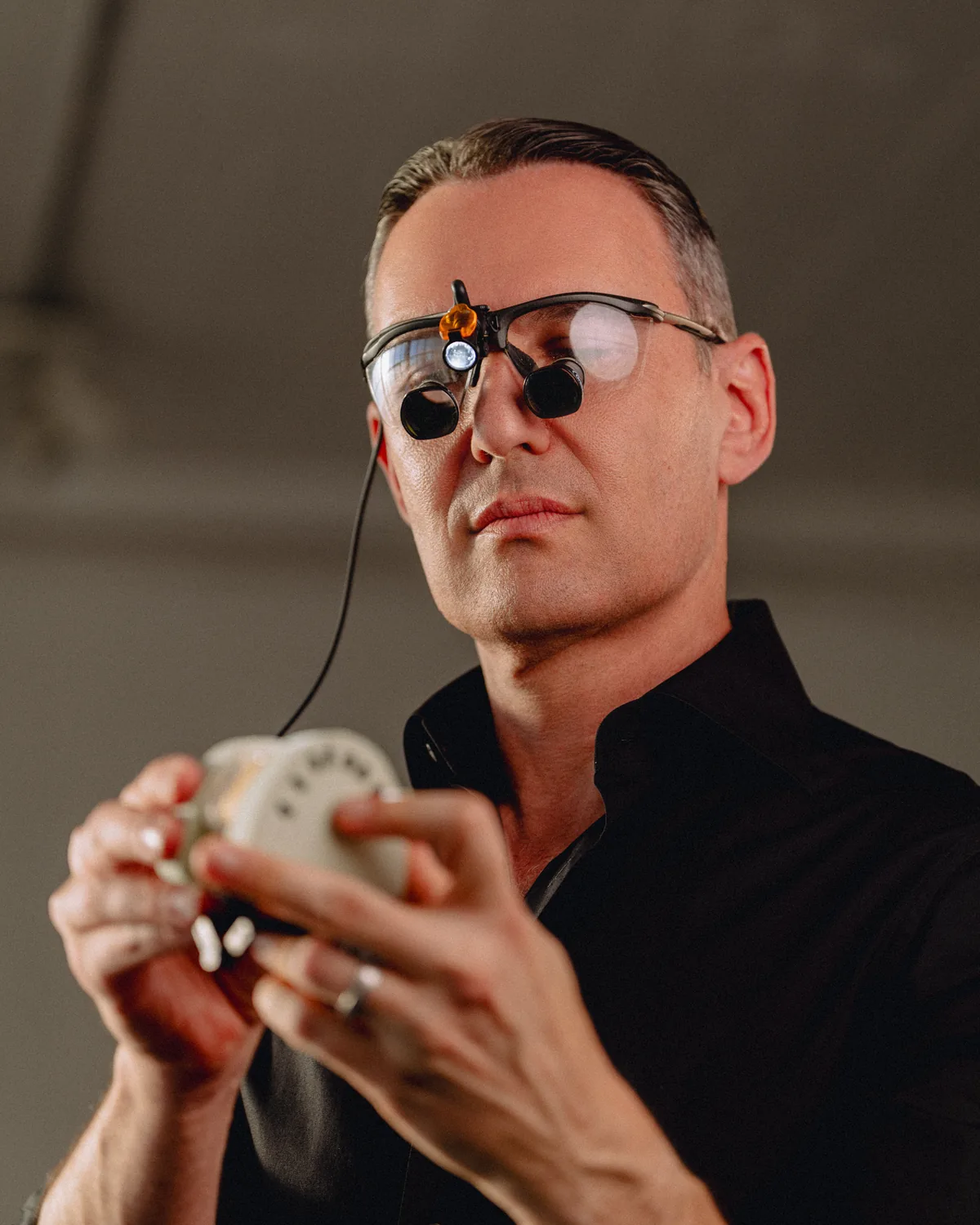
There is no dental school in the United States that hands out a degree in cosmetic dentistry. Every cosmetic dentist starts as a general dentist with a DDS or DMD from an accredited dental school, then builds esthetic skills through postgraduate programs, residencies and advanced institutes. The best known options include university programs at NYU, Boston University and UCLA, and private institutes such as the Las Vegas Institute for Advanced Dental Studies, the Kois Center, Spear Education and The Dawson Academy.
This guide explains how cosmetic dentistry training works, which programs dentists use to sharpen their esthetic skills, and what that means when you are choosing a dentist for your own smile.
Why There Is No "Cosmetic Dentistry Degree"
The American Dental Association's National Commission on Recognition of Dental Specialties and Certifying Boards currently recognizes 12 dental specialties, including endodontics, orthodontics, periodontics, prosthodontics and oral and maxillofacial surgery. Cosmetic dentistry is not one of them.
That means a cosmetic dentist is a general dentist who has chosen to focus on esthetics. The path usually looks like this:
- Undergraduate study, usually with science prerequisites.
- Dental school, typically four years, earning a DDS (Doctor of Dental Surgery) or DMD (Doctor of Dental Medicine). Programs are accredited by the Commission on Dental Accreditation.
- State licensure, after passing national and state exams.
- Postgraduate esthetic training, through university programs, residencies, fellowships and continuing education.
For a fuller timeline, see our article on how long it takes to become a cosmetic dentist.
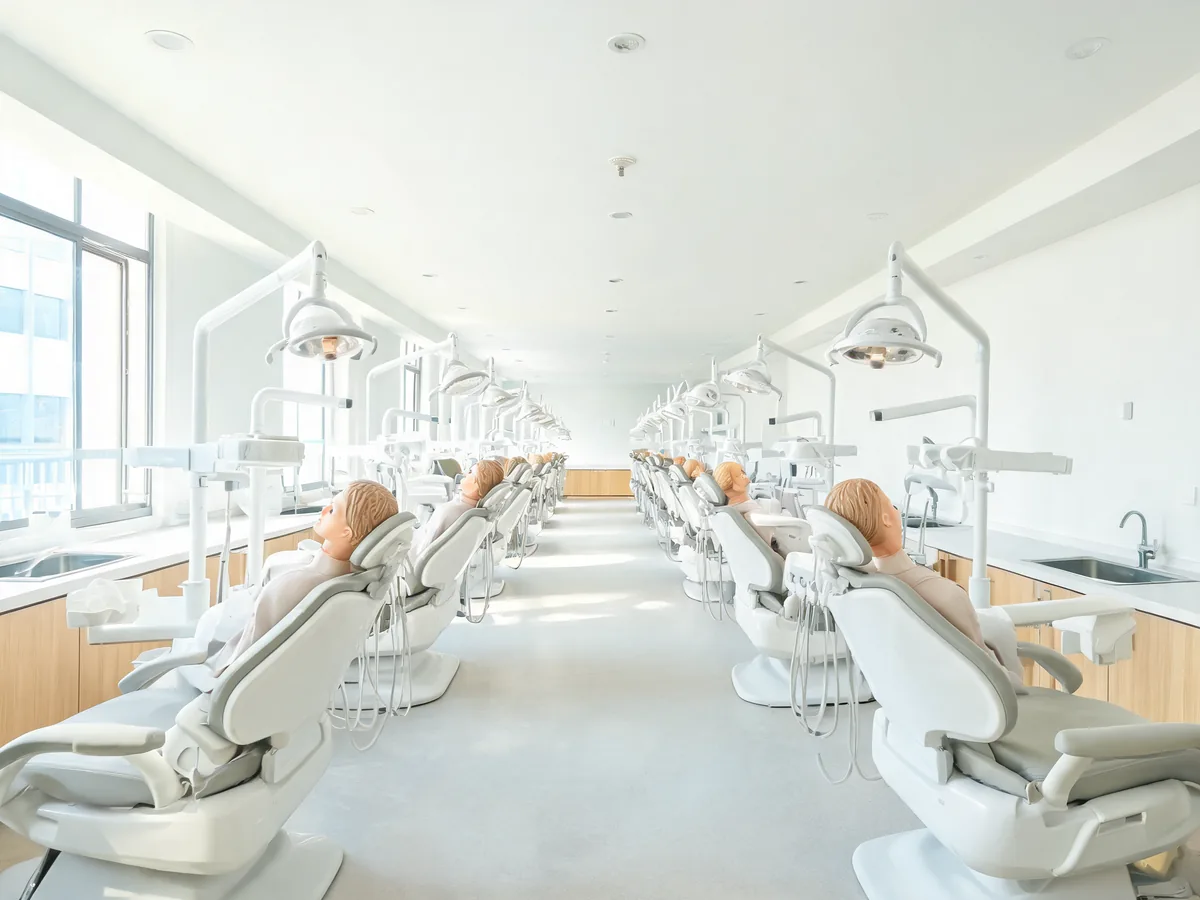
University Programs in Esthetic Dentistry
Most dental schools teach the foundations of cosmetic work, such as bonding, crowns and tooth colored fillings, but only a handful offer dedicated postgraduate programs in esthetics. Three stand out.
NYU College of Dentistry
NYU's Apa Advanced Clinical Fellowship in Aesthetics is a one year program for U.S. and internationally trained dentists who want to deepen their clinical skills in esthetic dentistry. It has drawn practicing dentists from dozens of countries and combines hands on clinical work with lectures.
Boston University Henry M. Goldman School of Dental Medicine
Boston University offers a Certificate of Advanced Graduate Study in Esthetic, Digital and Operative Dentistry. It requires at least 24 months of full time study, including a research project. The university notes that the program is not an ADA recognized specialty, which is true of every esthetic program.
UCLA School of Dentistry
UCLA runs esthetic dentistry training through its Center for Esthetic Dentistry, where trainees treat patients under the supervision of experienced faculty, and through post DDS esthetic courses and its Aesthetic Continuum for practicing dentists.
Advanced Institutes Where Practicing Dentists Train
Many of the country's best known cosmetic dentists refine their skills after dental school at private institutes that focus on smile design, bite and complex restorative care.
Las Vegas Institute for Advanced Dental Studies (LVI)
LVI, based in Las Vegas, is known for its focus on cosmetic dentistry, smile design and the relationship between the bite, the jaw joints and the muscles. Dentists attend a series of hands on courses over time. Dr. Arthur Glosman earned his DDS from the University of Southern California School of Dentistry in 1999 and then trained at the Las Vegas Institute, a path his CV describes in full.
The Kois Center
The Kois Center in Seattle offers a continuing education curriculum built around research, with small classes and courses that are updated each year.
Spear Education
Spear Education, based in Scottsdale, Arizona, offers workshops, seminars and online learning in restorative and esthetic dentistry for dentists and their teams.
The Dawson Academy
The Dawson Academy is known for its teaching on the bite (occlusion) and comprehensive care, with a core curriculum that dentists can complete as a mini residency.

How Long Cosmetic Dentistry Training Takes
Training never really ends in cosmetic dentistry, because materials and techniques keep changing. A typical path looks like this:
- Four years of college, then four years of dental school for the DDS or DMD.
- One to two years for a university esthetic program, if a dentist chooses one. NYU's fellowship is one year, and Boston University's certificate program requires at least 24 months.
- Years of continuing education through institutes such as LVI, the Kois Center, Spear Education and The Dawson Academy, usually taken in a series of courses while the dentist is already in practice.
Dr. Glosman's own path followed this pattern: an undergraduate degree and DDS from USC, followed by years of advanced study at the Las Vegas Institute alongside his practice.
Questions to Ask About a Dentist's Training
Because the field has no single credential, a few direct questions tell you a lot:
- Where did you go to dental school, and what postgraduate esthetic training have you completed?
- How much of your practice is cosmetic work such as veneers and smile makeovers?
- Can I see before and after photos of patients you treated yourself, with problems like mine?
- Which dental laboratory makes your veneers and crowns?
- How do you plan the shape and color of a new smile before treatment starts?
A good cosmetic dentist welcomes these questions and answers them plainly.
Professional Organizations and Credentials
Beyond formal programs, membership and participation in professional groups is one way cosmetic dentists stay current. The American Academy of Cosmetic Dentistry (AACD) is the largest of these. Dr. Glosman is a member of the AACD, the American Dental Association, the California Dental Association and the Los Angeles Dental Association, as listed on his biography. Membership is not the same as a specialty certification, so it is fair to ask any dentist what their training and memberships mean for your treatment.
What Training Means for You as a Patient
Because there is no single cosmetic credential, the best way to judge a cosmetic dentist is to look at three things together:
- Education and continuing training. Where did they go to dental school, and what have they studied since?
- Experience. How long have they focused on cosmetic work, and how many cases like yours have they done? Dr. Glosman has practiced since 1999.
- Results. Real before and after photos of their own patients tell you more than any certificate. You can view Dr. Glosman's work in the smile gallery.
Our guide to choosing a cosmetic dentist walks through the questions to ask at a consultation.
Thinking about veneers or a smile makeover? Meet Dr. Glosman at his studio at 450 N Roxbury Dr #222 in Beverly Hills. Call (310) 273-2215 or request a consultation.
Frequently Asked Questions
Is cosmetic dentistry a recognized dental specialty?
No. The ADA's National Commission on Recognition of Dental Specialties and Certifying Boards recognizes 12 dental specialties, and cosmetic dentistry is not one of them. Cosmetic dentists are general dentists who build esthetic skills through postgraduate training.
What degree does a cosmetic dentist have?
A cosmetic dentist has a DDS (Doctor of Dental Surgery) or DMD (Doctor of Dental Medicine) from an accredited dental school, plus a state license. The two degrees are equivalent; schools simply use different names.
Which universities offer cosmetic dentistry programs?
Postgraduate esthetic programs include NYU's Apa Advanced Clinical Fellowship in Aesthetics, Boston University's Certificate of Advanced Graduate Study in Esthetic, Digital and Operative Dentistry, and UCLA's esthetic dentistry training through its Center for Esthetic Dentistry.
What is LVI in dentistry?
LVI is the Las Vegas Institute for Advanced Dental Studies, a postgraduate training institute for practicing dentists known for its focus on cosmetic dentistry, smile design and the bite.
Where did Dr. Arthur Glosman train?
Dr. Glosman received his DDS from the University of Southern California School of Dentistry in 1999 and trained at the Las Vegas Institute for Advanced Dental Studies. He is a member of the American Academy of Cosmetic Dentistry.
About Dr. Arthur Glosman
Dr. Arthur Glosman is a cosmetic and restorative dentist who has practiced since 1999. He earned his DDS from the University of Southern California School of Dentistry and trained at the Las Vegas Institute for Advanced Dental Studies. His studio is at 450 N Roxbury Dr #222, Beverly Hills, CA 90210. Call (310) 273-2215 or request a consultation.
Sources
This article is for general education and does not replace an exam and advice from a licensed dentist. Treatment options, timing and results vary from person to person.
